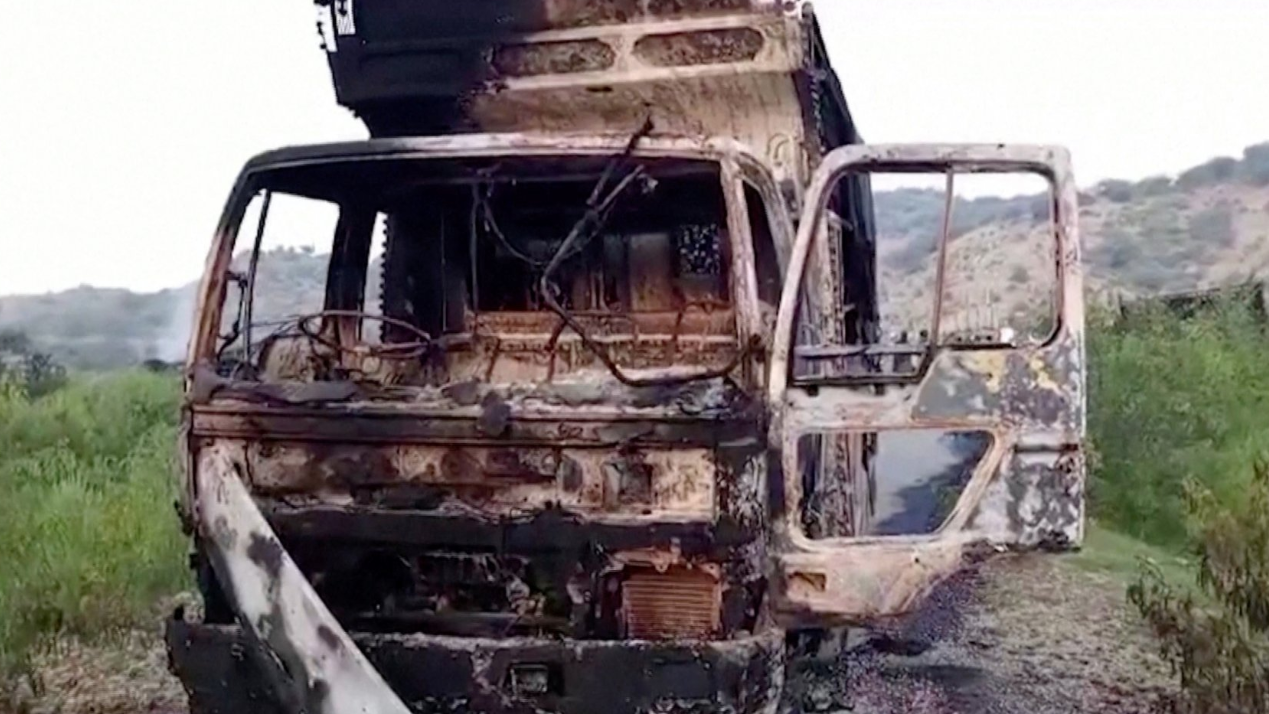
Balochistan, a resource-rich and strategically significant region, has been a focal point of conflict for decades. The province, which is divided between Pakistan, Iran, and Afghanistan, has experienced numerous attacks in recent years, exacerbating the already fragile security situation. The attacks in Balochistan, particularly in Pakistan’s southwestern region, have been attributed to a complex mix of political, ethnic, and economic factors, leading to a heightened sense of insecurity. This article delves into the causes of these attacks, their impact on the region, and the potential solutions to restore peace.
Historical Context and Causes of Attacks in Balochistan
Balochistan’s history is marked by a struggle for autonomy and control over its resources. The Baloch people have long felt marginalized by the central governments in Pakistan and Iran, and their demands for greater political and economic autonomy have often led to violent confrontations. In Pakistan, Baloch separatist movements have been particularly vocal in demanding independence or greater self-rule. The central government, however, has been resistant to these demands, fearing the loss of control over a region that is not only rich in natural resources, including gas, minerals, and oil, but also crucial for the country’s geopolitical interests.
The roots of the attacks can be traced back to the unresolved political issues and deep-seated ethnic tensions in the region. For decades, the Baloch people have claimed that they are being denied a fair share of the region’s natural wealth. This sense of alienation has fostered resentment, leading to the rise of militant groups that resort to violence as a means of expressing their frustration. These groups, such as the Baloch Liberation Army (BLA) and the Balochistan Liberation Front (BLF), have been responsible for several high-profile attacks on security forces, infrastructure, and civilians.
Impact of Balochistan Attacks on Local Communities
The frequent attacks in Balochistan have had devastating consequences for the local population. One of the most immediate effects is the loss of life. Civilians, including women and children, often find themselves caught in the crossfire between militant groups and security forces. Moreover, the constant violence has created a sense of fear and uncertainty, making it difficult for communities to lead normal lives.
The attacks have also disrupted essential services, including healthcare, education, and transportation, further worsening the living conditions for the people of Balochistan. Infrastructure development has come to a standstill in many areas, preventing the region from realizing its potential for economic growth. Balochistan, which holds significant economic importance due to its natural resources and strategic location, could have been a vital contributor to Pakistan’s economy. However, the security situation has discouraged investment and stifled development efforts.
Furthermore, the political landscape of the region remains unstable. The Pakistani government’s heavy-handed approach in dealing with the attacks, including the use of military force and the imposition of curfews, has only fueled the resentment of the Baloch people. Instead of addressing the root causes of the conflict, these measures have intensified local grievances, contributing to the cycle of violence.
Regional and Global Implications of Balochistan Attacks
The attacks in Balochistan have wider regional and global implications. The province’s strategic importance cannot be overstated. Balochistan borders Iran and Afghanistan and is home to the deep-water port of Gwadar, a key element of China’s Belt and Road Initiative (BRI). Instability in this region poses a significant threat to not only Pakistan’s national security but also to international trade routes and the geopolitical dynamics of South Asia.
Moreover, the ongoing conflict in Balochistan has attracted the attention of foreign powers, including India, which has been accused by Pakistan of providing support to Baloch separatists. This has further complicated the situation, turning Balochistan into a proxy battleground. The involvement of external actors in the conflict has the potential to escalate tensions in an already volatile region.
Potential Solutions to Address Balochistan Attacks
The solution to the Balochistan crisis lies in addressing the underlying political, economic, and social issues that fuel the conflict. First and foremost, the Pakistani government must engage in meaningful dialogue with Baloch nationalist leaders to address their grievances. This could involve granting greater political autonomy to Balochistan and ensuring that the region’s resources are shared more equitably with the local population.
In addition, economic development must be prioritized to improve the living c Balochistan attacksonditions of the people of Balochistan. Investment in infrastructure, education, and healthcare could provide the region with the tools it needs to escape the cycle of poverty and violence. The government must also work to create a secure environment that encourages both local and foreign investment.
Furthermore, it is essential to promote a sense of national unity, where Balochistan is seen as an integral part of Pakistan. This can be achieved through inclusive policies that respect the cultural and ethnic diversity of the province. Acknowledging the rights and aspirations of the Baloch people will go a long way in reducing the appeal of extremist groups and fostering long-term peace.
Conclusion
The attacks in Balochistan are a stark reminder of the unresolved issues that continue to plague the region. With a complex mix of political, ethnic, and economic factors at play, the situation is unlikely to improve without significant changes in the way the Pakistani government approaches the problem. By prioritizing dialogue, economic development, and inclusive governance, there is hope that peace can eventually be achieved in Balochistan. However, this will require a concerted effort from all stakeholders, both local and international, to create a sustainable and lasting resolution to the conflict.
Leave a Reply